
Project overview
Intended market
Hospitality and customer-service operations that combine lounge, restaurant, bar and salon services, with distinct customer, waiter, preparation-station and administrative workflows.
Engineering responsibility
Multi-application architecture, customer PWA, staff POS, administrative dashboard, API design, relational data modelling, QR workflows, real-time operational events, inventory/order/receipt workflows and deployment engineering.
Problem or opportunity
A multi-service hospitality venue needs customer ordering, staff execution, preparation stations, stock control, receipts, appointments and management reporting to operate as one coordinated system rather than disconnected manual processes.
Objectives
- Provide QR-based customer access to menus and ordering
- Give waiters and preparation staff dedicated operational interfaces
- Synchronize order state across customer, POS, kitchen/bar and admin experiences
- Centralize menu, table, inventory, staff and appointment administration
- Track stock movements and connect menu consumption to inventory
- Generate and deliver digital receipts
- Support management analytics and operational oversight
Challenges and constraints
- Multiple user roles need different interfaces while sharing the same operational state
- Restaurant, lounge, bar and salon workflows must coexist within one data model
- Order progress must propagate quickly across customer, waiter and preparation views
- Inventory movements need traceability from purchase through usage, waste, adjustment and return
- QR sessions must reliably associate customers with the correct table or area
Engineering approach
Premium Space uses a monorepo that separates customer, staff and administrative frontends from a dedicated API service. The backend models venue sections, tables, QR tokens, waiter assignments, menu variants/modifiers, inventory transactions, orders, preparation tickets, payments, receipts, staff roles and salon appointments. Socket.IO provides real-time communication across operational surfaces.
Architecture
Architecture narrative
Four-application hospitality ecosystem: customer PWA, staff POS, admin dashboard and backend API, sharing a PostgreSQL operational data model and real-time Socket.IO communication.
frontend
Next.js 14, React 18, TypeScript, Tailwind CSS, TanStack Query and Zustand across customer, staff and admin interfaces
backend
Node.js/Express TypeScript API with JWT, bcrypt, Helmet, CORS and Socket.IO
database
PostgreSQL accessed through Prisma ORM
infrastructure
Turborepo monorepo with Vercel-deployed frontend applications
services
QR sessions, ordering, preparation tickets, inventory, payments, receipts, staff operations and salon appointments
integrations
Twilio messaging/receipt delivery and external location/AI integration points documented in the project
Engineering decisions
Split customer, staff, admin and API concerns into separate applications
Reason: Each operational audience has materially different tasks and interaction patterns.
Engineering benefit: Each interface can evolve independently while sharing one backend contract.
Use a relational PostgreSQL domain model
Reason: Orders, tables, inventory, staff, payments and appointments require strong relationships and traceability.
Engineering benefit: Operational records can be linked consistently across workflows.
Use Socket.IO for real-time state propagation
Reason: Hospitality operations depend on rapid status changes between guests, waiters and preparation stations.
Engineering benefit: Order progress can be surfaced across multiple interfaces without manual refresh cycles.
Use QR tokens for table and area context
Reason: Customers need a low-friction way to identify where service should be delivered.
Engineering benefit: Digital ordering starts with the correct venue context.
Core capabilities
- Customer Progressive Web App
- QR table and area sessions
- Digital menu browsing
- Cart and order placement
- Real-time order tracking
- Staff POS portal
- Waiter zone assignment and load tracking
- Kitchen and bar preparation tickets
- Administrative KPI dashboard
- Menu/category/variant/modifier management
- Inventory and stock transaction management
- Menu-to-inventory consumption links
- Low-stock state tracking
- Payment and transaction records
- Digital receipt generation and delivery tracking
- Staff roles and access workflows
- Salon service and appointment management
- Real-time Socket.IO notifications
Challenge, response, outcome
Customer ordering and staff fulfilment can become disconnected in a multi-section venue.
Response: Shared order records and real-time events connect the customer PWA, waiter interface, kitchen/bar tickets and admin views.
Verified outcome: The same operational order state can drive multiple role-specific interfaces.
Manual stock tracking makes hospitality inventory difficult to reconcile.
Response: Inventory items, transactions and menu-item consumption links are modelled directly in the backend.
Verified outcome: Stock movements can be tied to operational events and low-stock conditions.
A venue combining food, beverage, lounge and salon services needs more than a generic restaurant POS.
Response: The domain model includes section types, waiter zones, preparation stations and salon appointment workflows.
Verified outcome: Different service lines can operate within one platform architecture.
Security and reliability
- API stack includes JWT-based authentication and authorization
- Passwords are designed to be hashed with bcrypt
- Helmet and CORS are included in the backend security stack
- Operational records use typed relational models and indexed identifiers
- Receipt delivery state and payment status are separately tracked
Performance and scalability
The monorepo separates frontend workloads from the API service, while Socket.IO handles real-time operational events and PostgreSQL/Prisma provide a structured persistence layer for orders, inventory, users, receipts and appointments.
User experience
Customers can enter through QR context, browse a mobile-first menu, place and track orders and receive digital receipts, while staff and administrators work through role-specific operational interfaces rather than a single overloaded dashboard.
Technology architecture
Data
PostgreSQL · Prisma ORM
Backend
Node.js · Express.js · TypeScript · Socket.IO · JWT · bcrypt · Helmet · CORS
Frontend
Next.js 14 · React 18 · TypeScript · Tailwind CSS 3 · TanStack Query · Zustand
Platform
Turborepo · Vercel
Integrations
Twilio · QR-code workflows
Approved project evidence
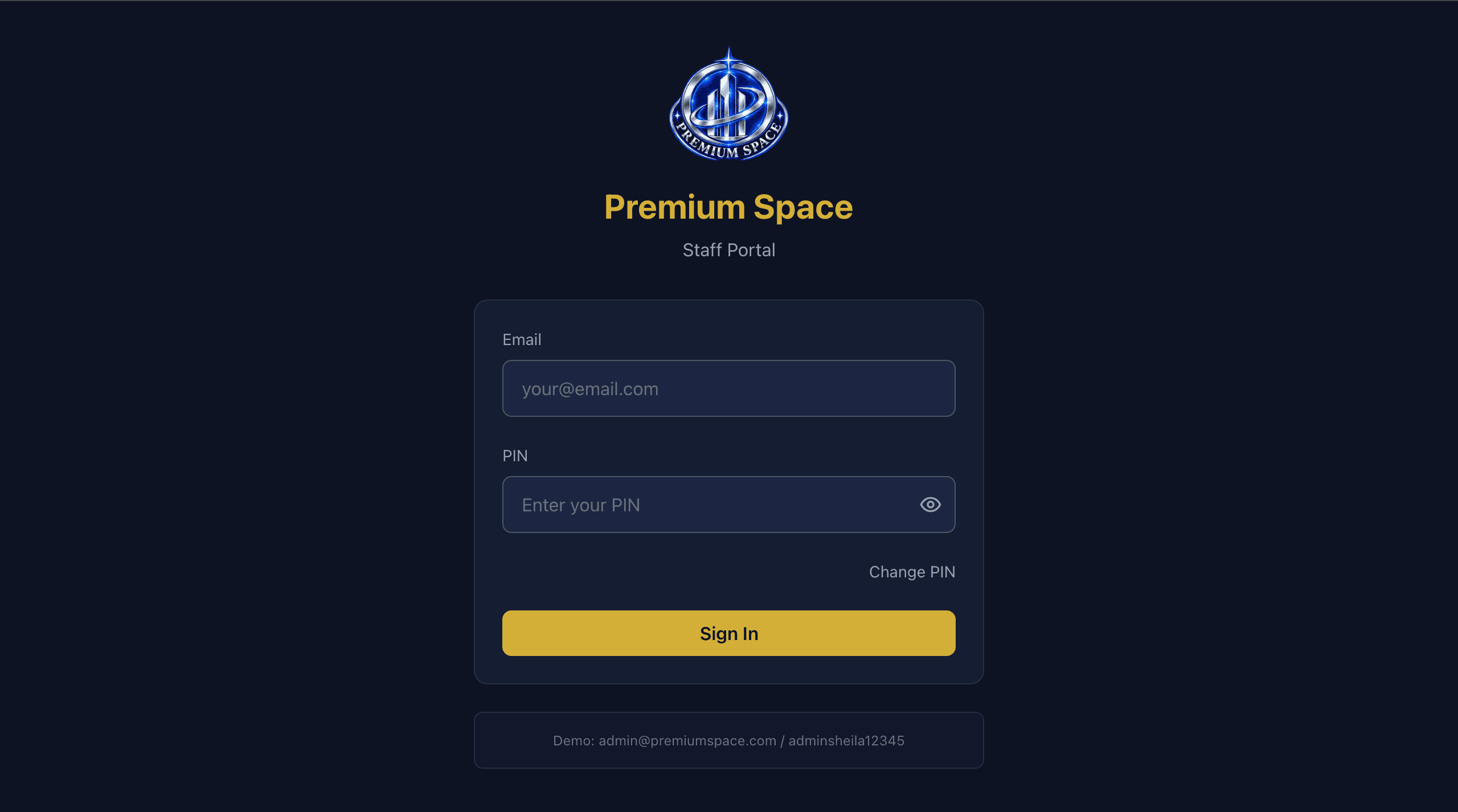
Screenshot synced from this project record.
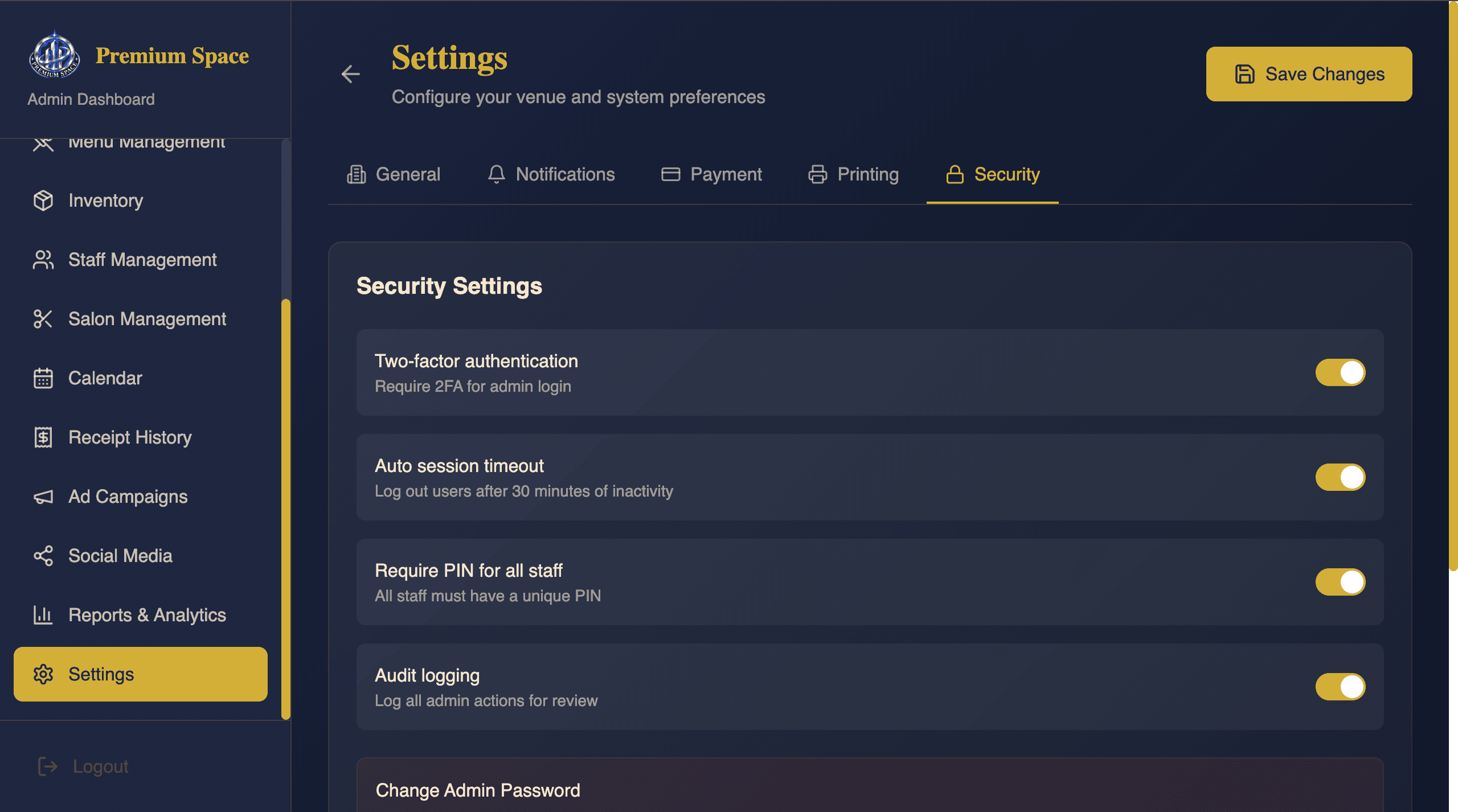
Screenshot synced from this project record.
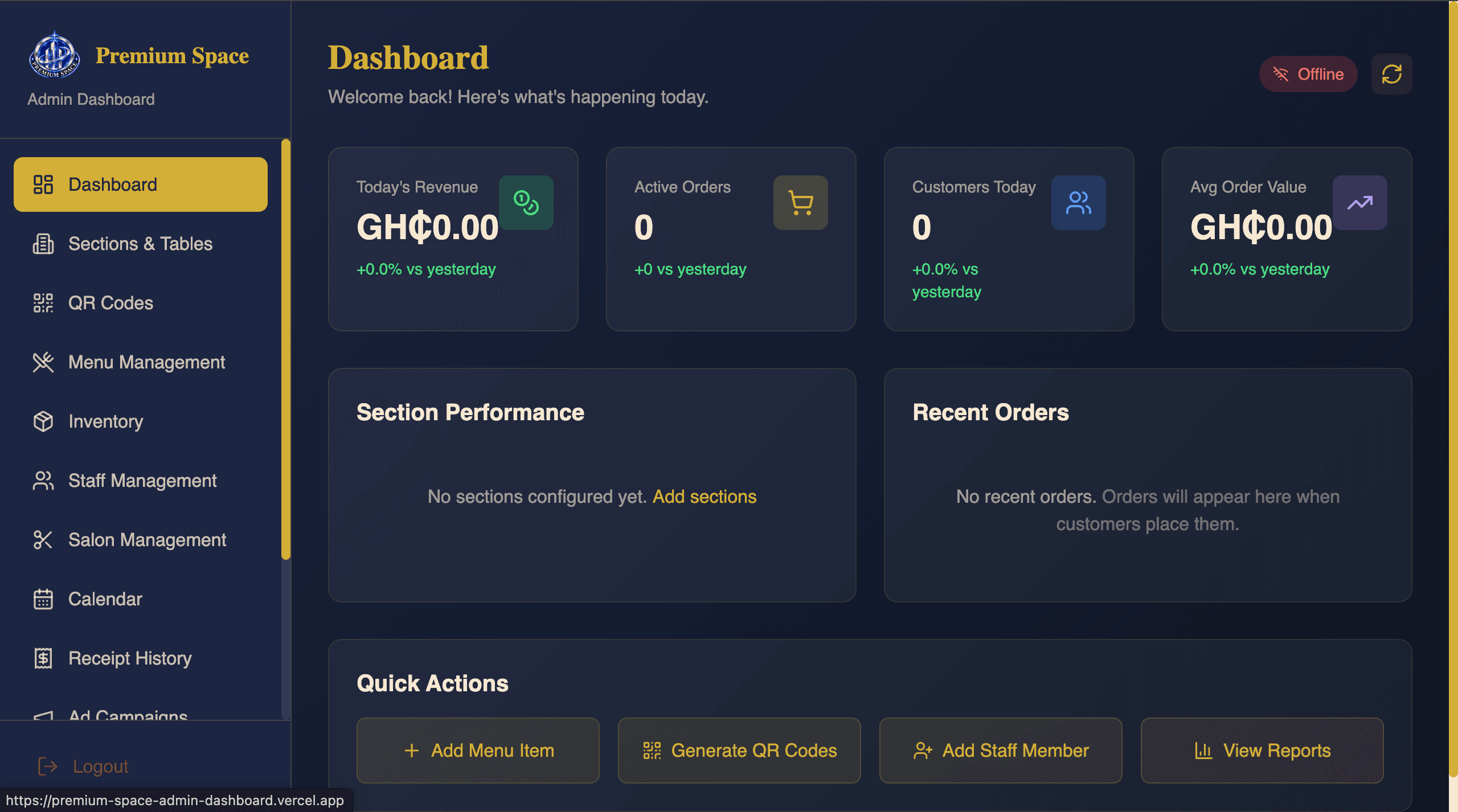
Screenshot synced from this project record.
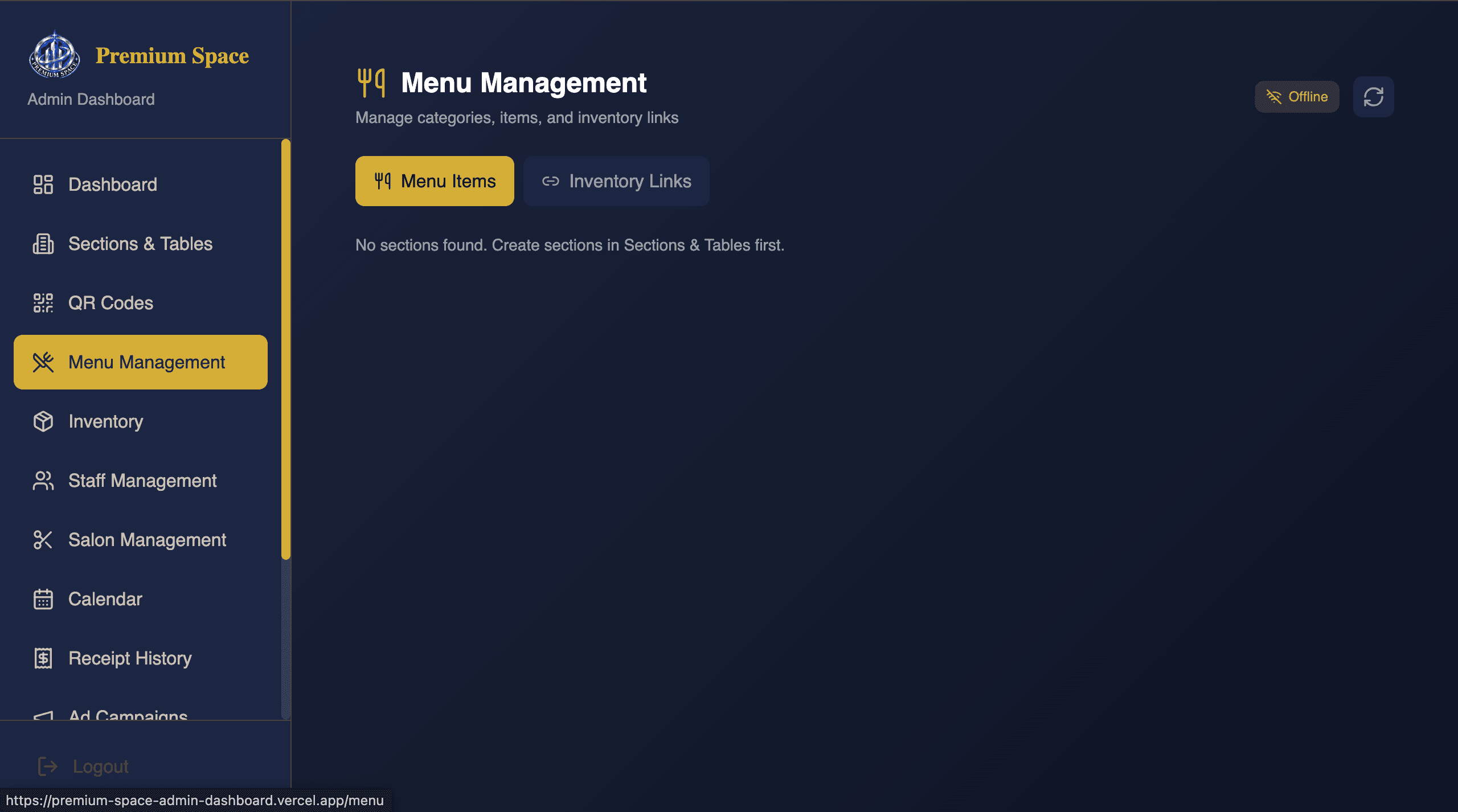
Screenshot synced from this project record.
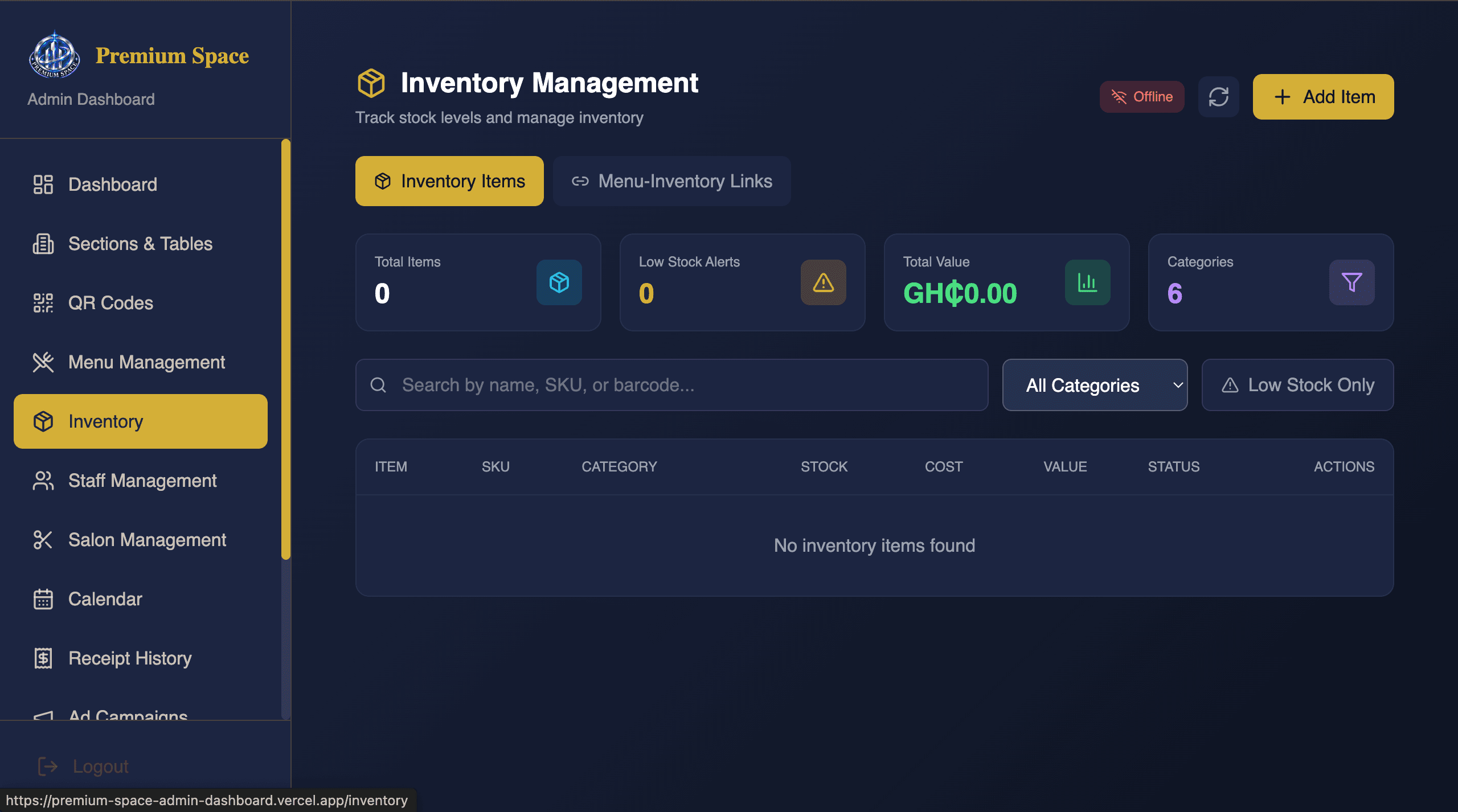
Screenshot synced from this project record.
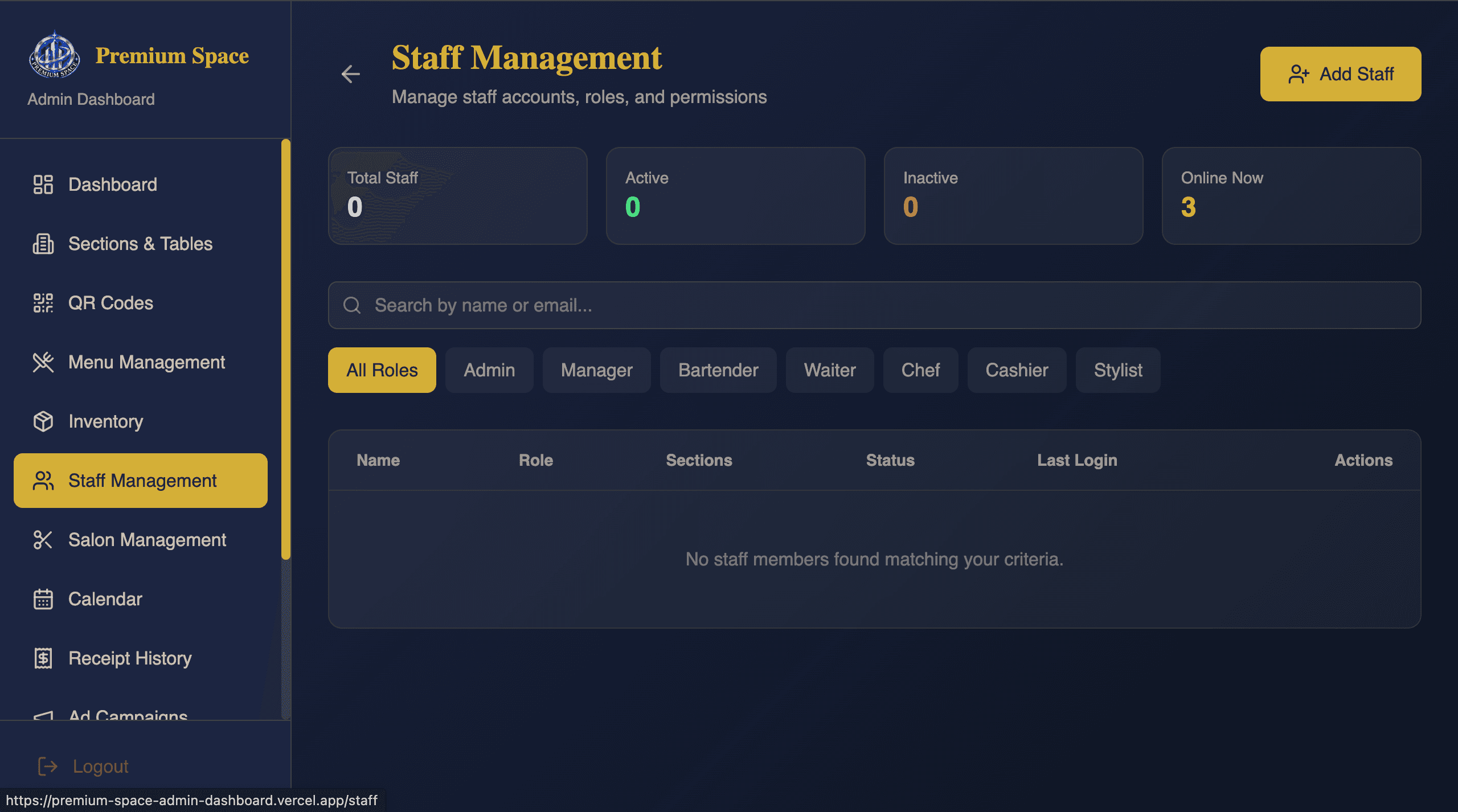
Screenshot synced from this project record.
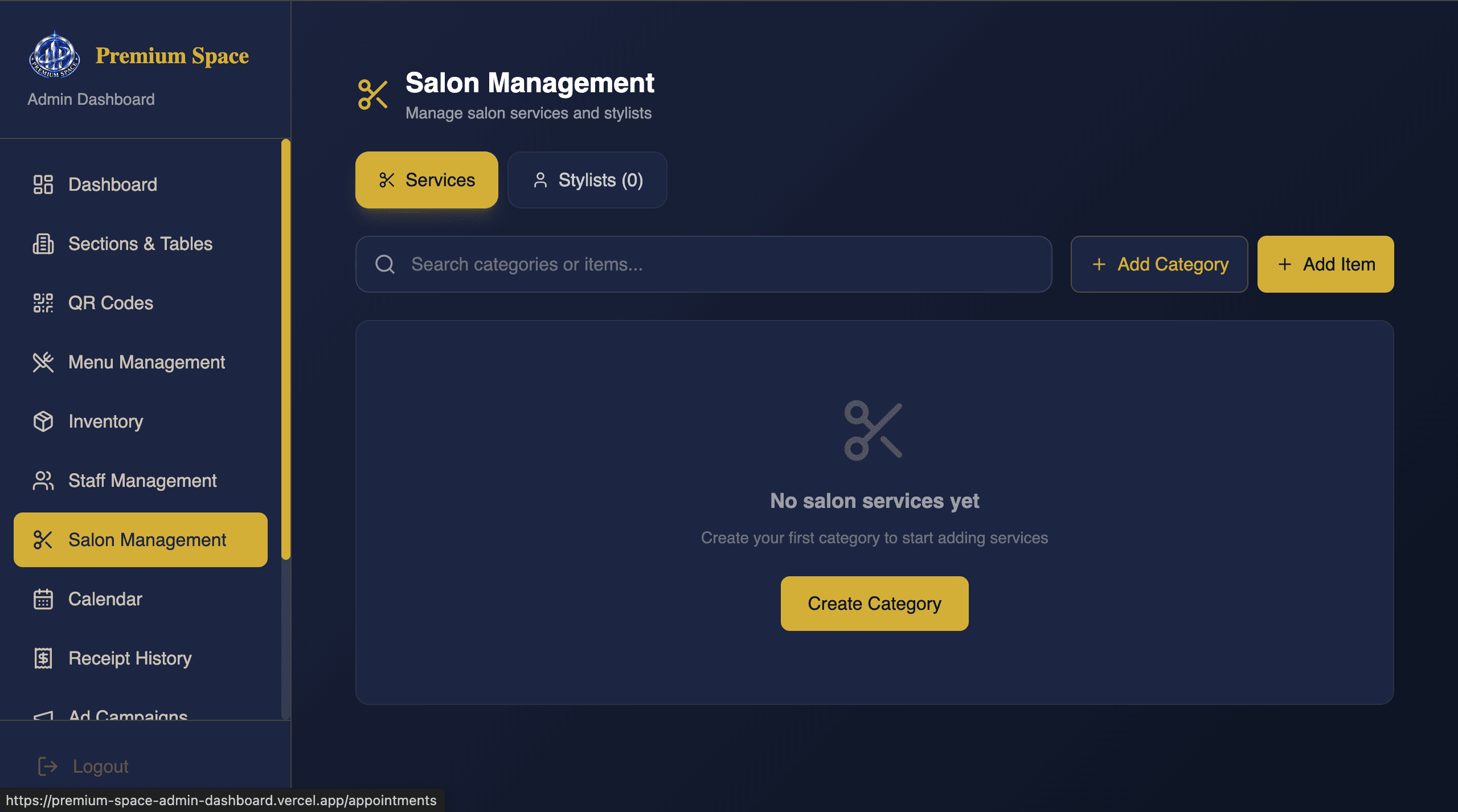
Screenshot synced from this project record.
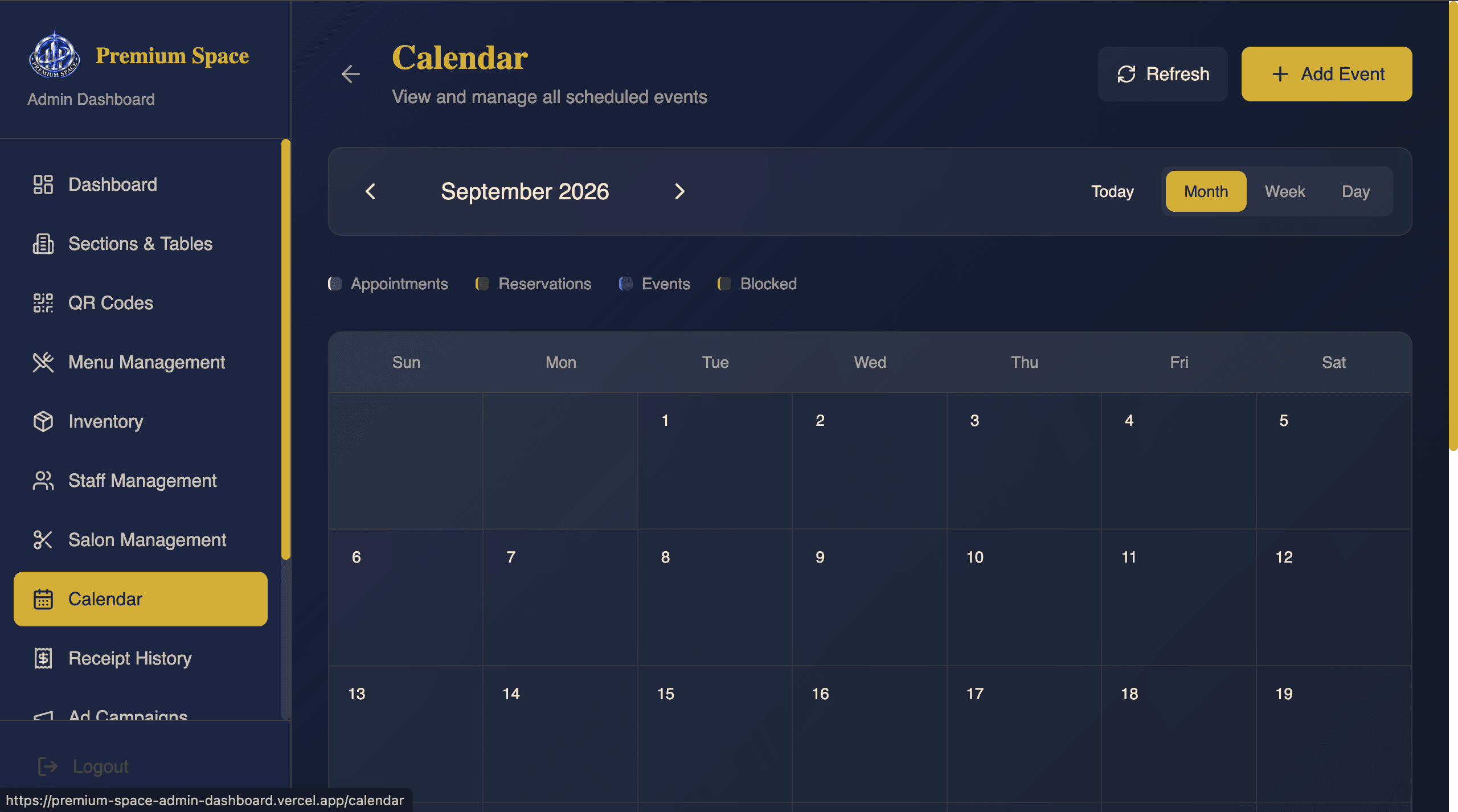
Screenshot synced from this project record.
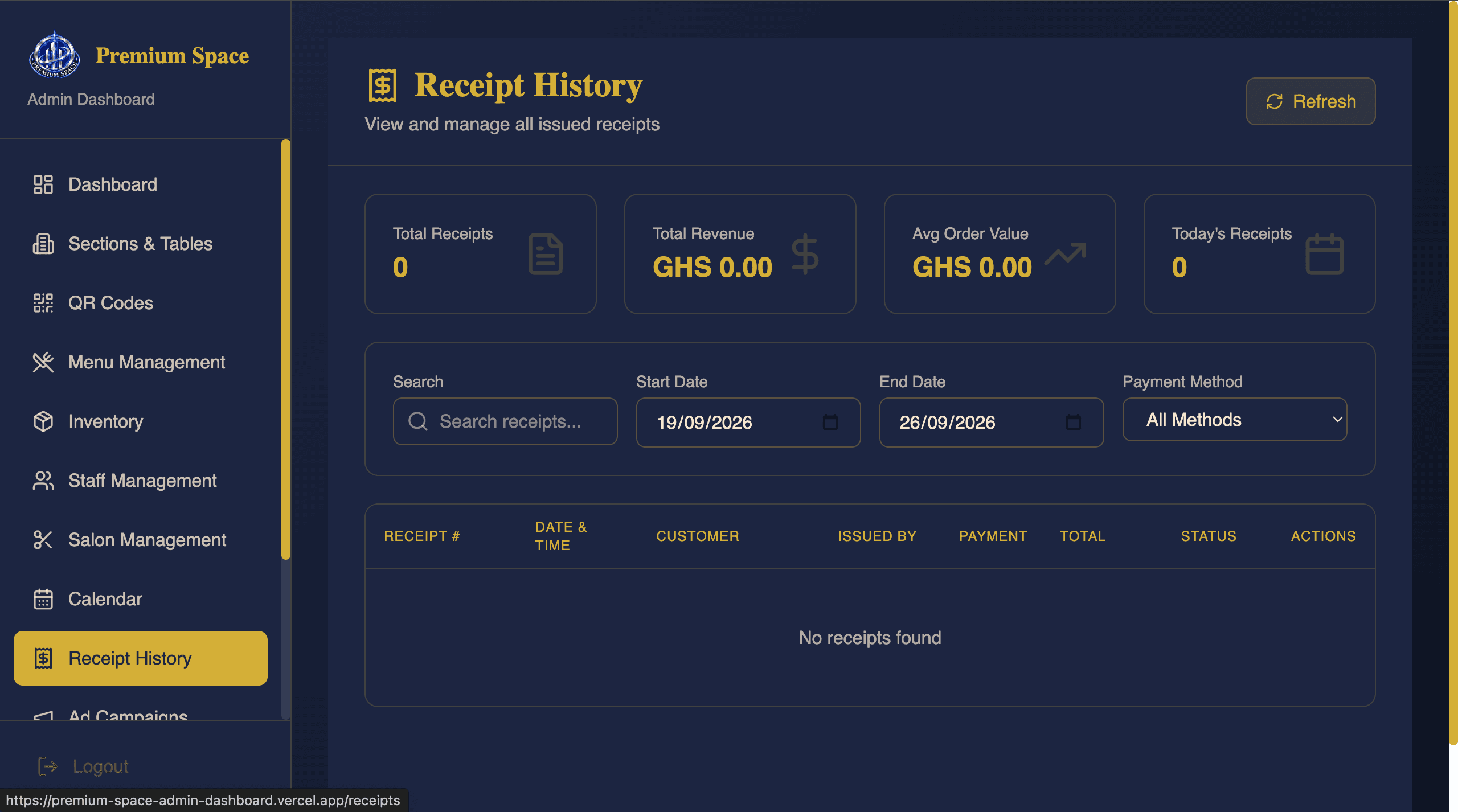
Screenshot synced from this project record.
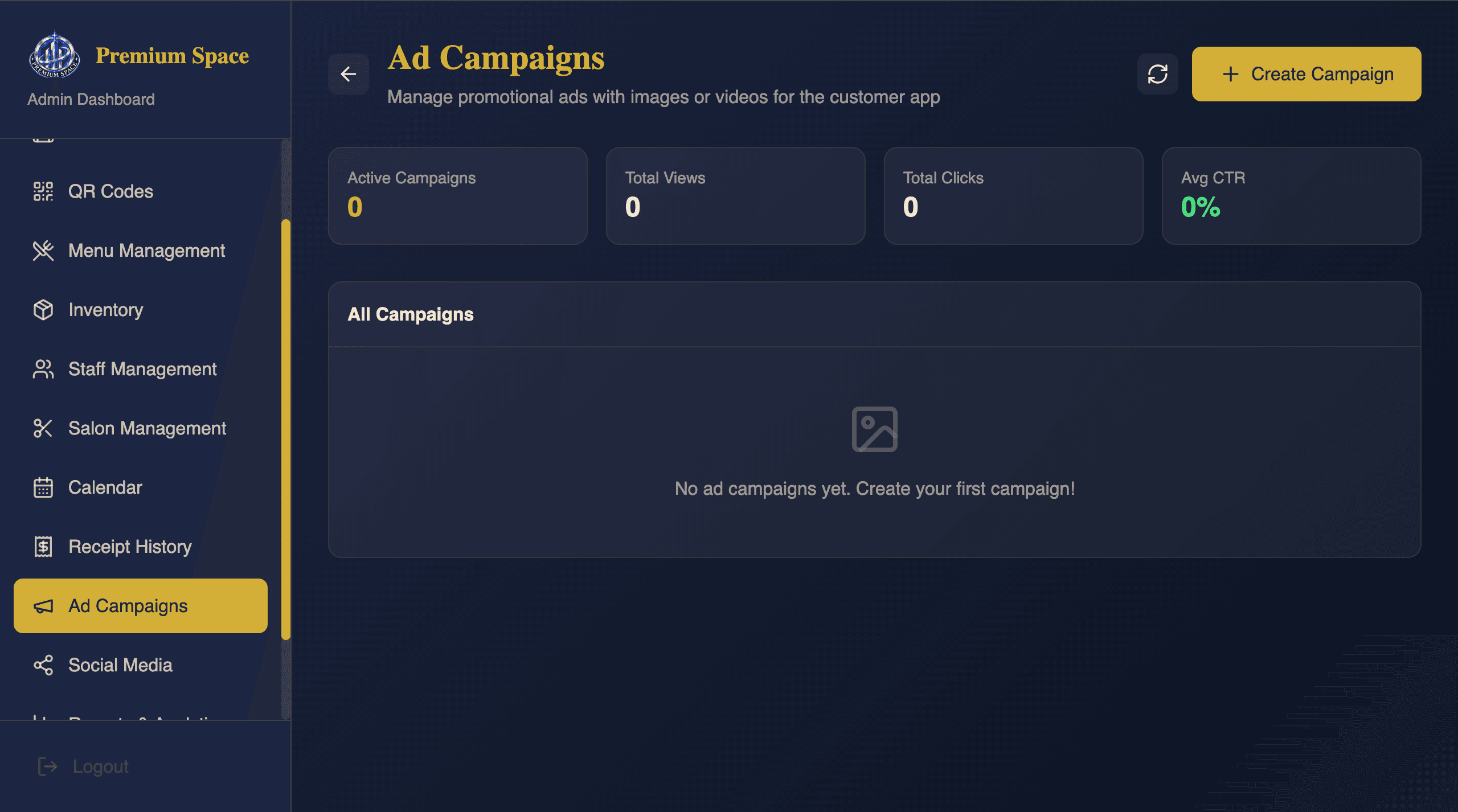
Screenshot synced from this project record.
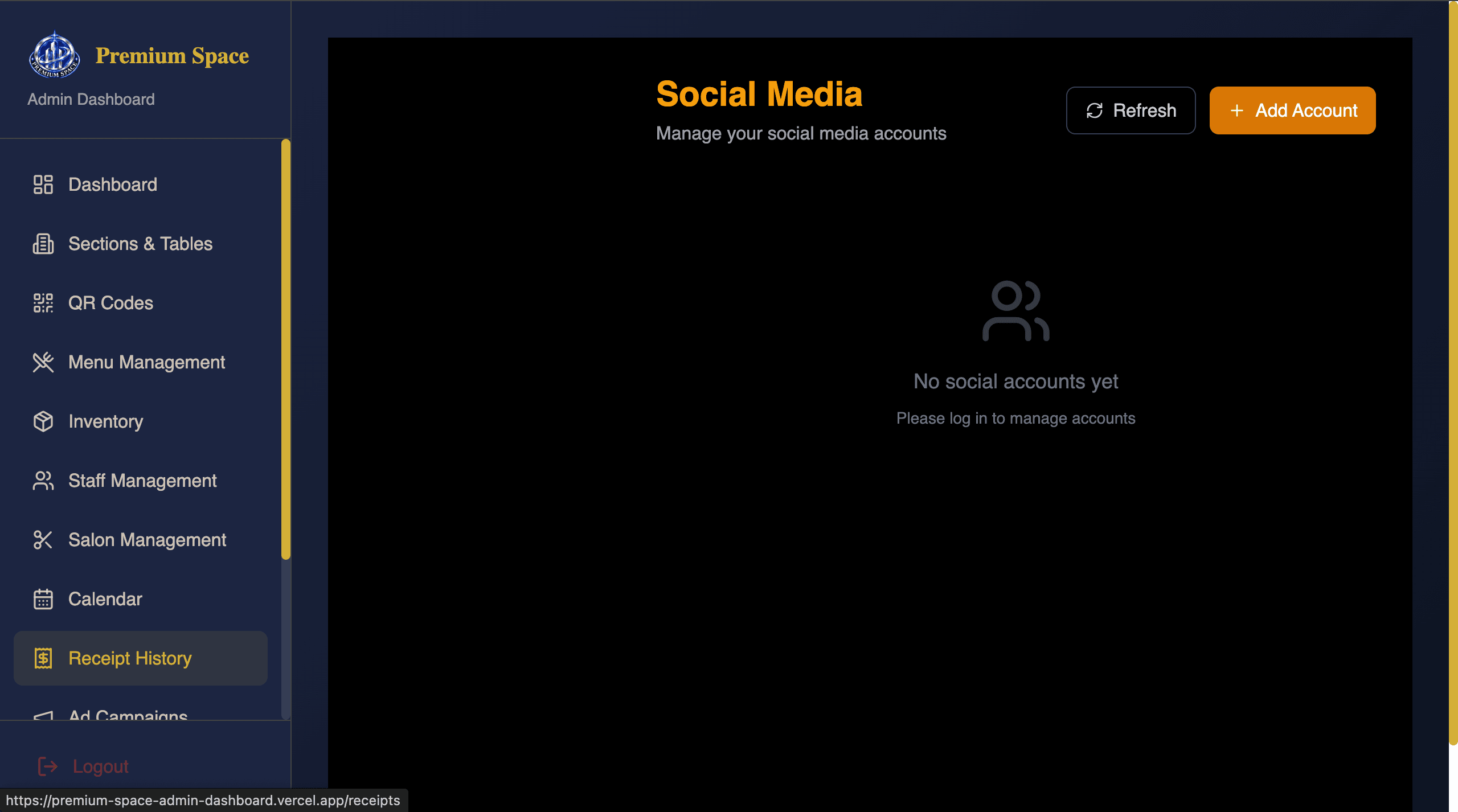
Screenshot synced from this project record.
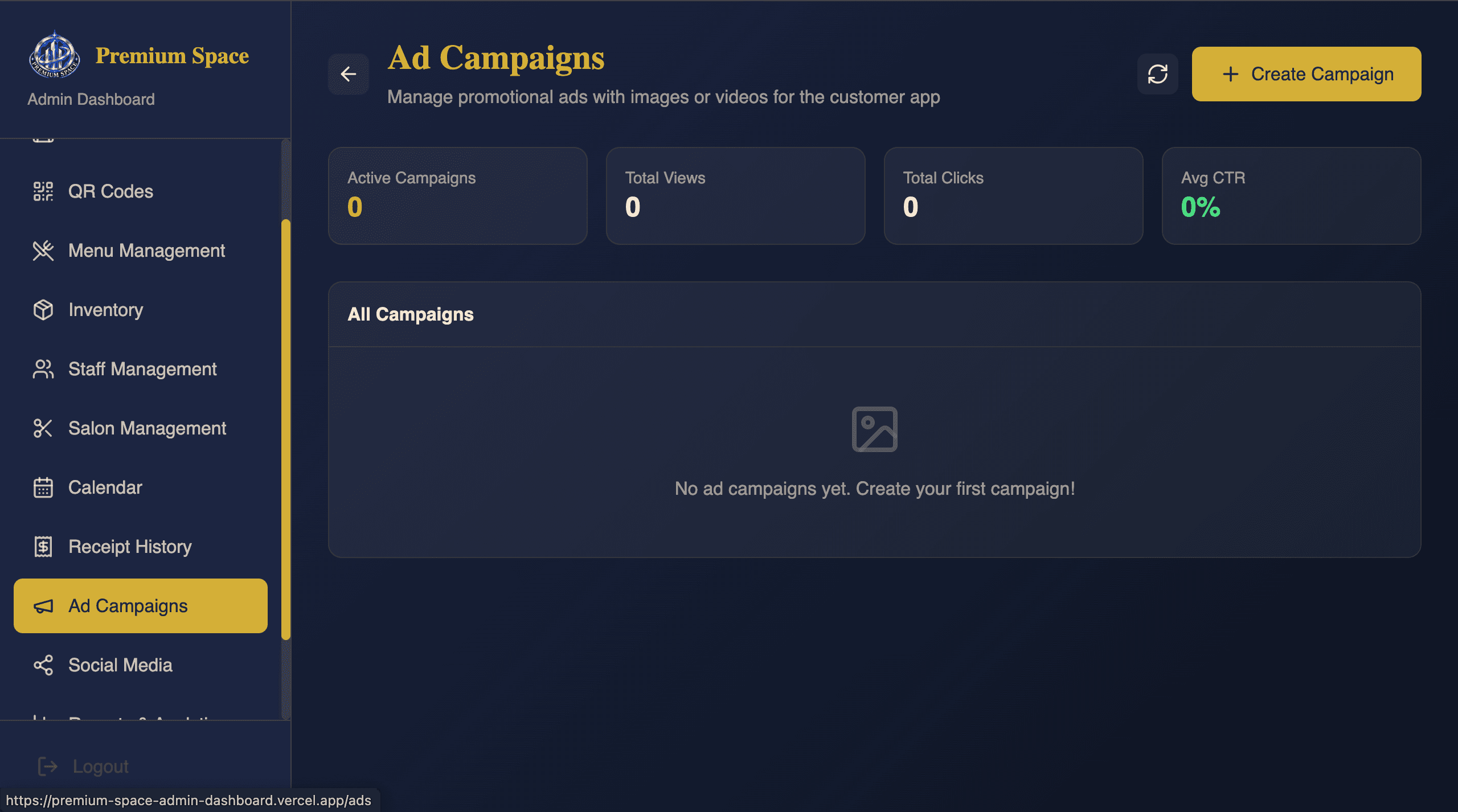
Screenshot synced from this project record.
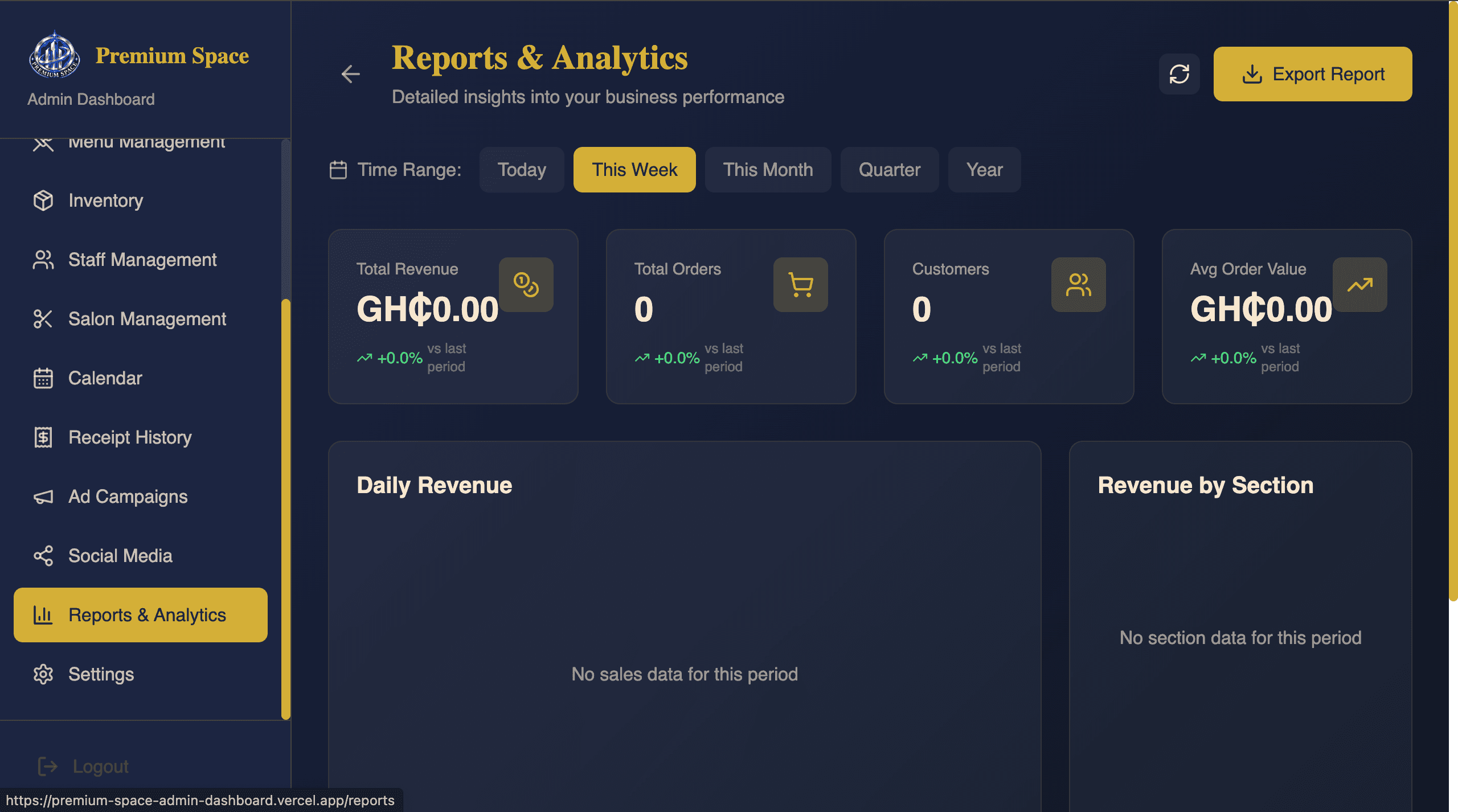
Screenshot synced from this project record.
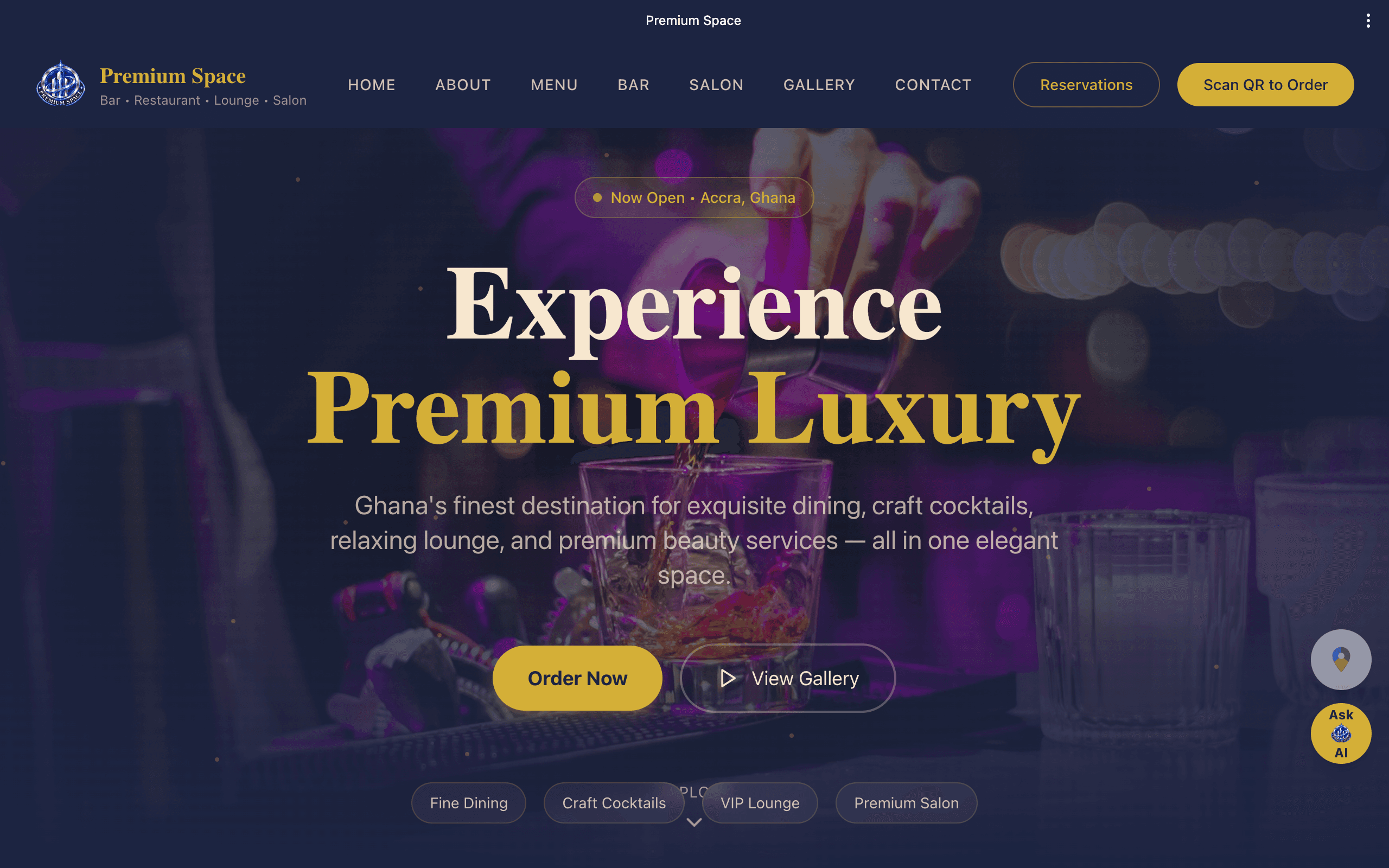
Screenshot synced from this project record.
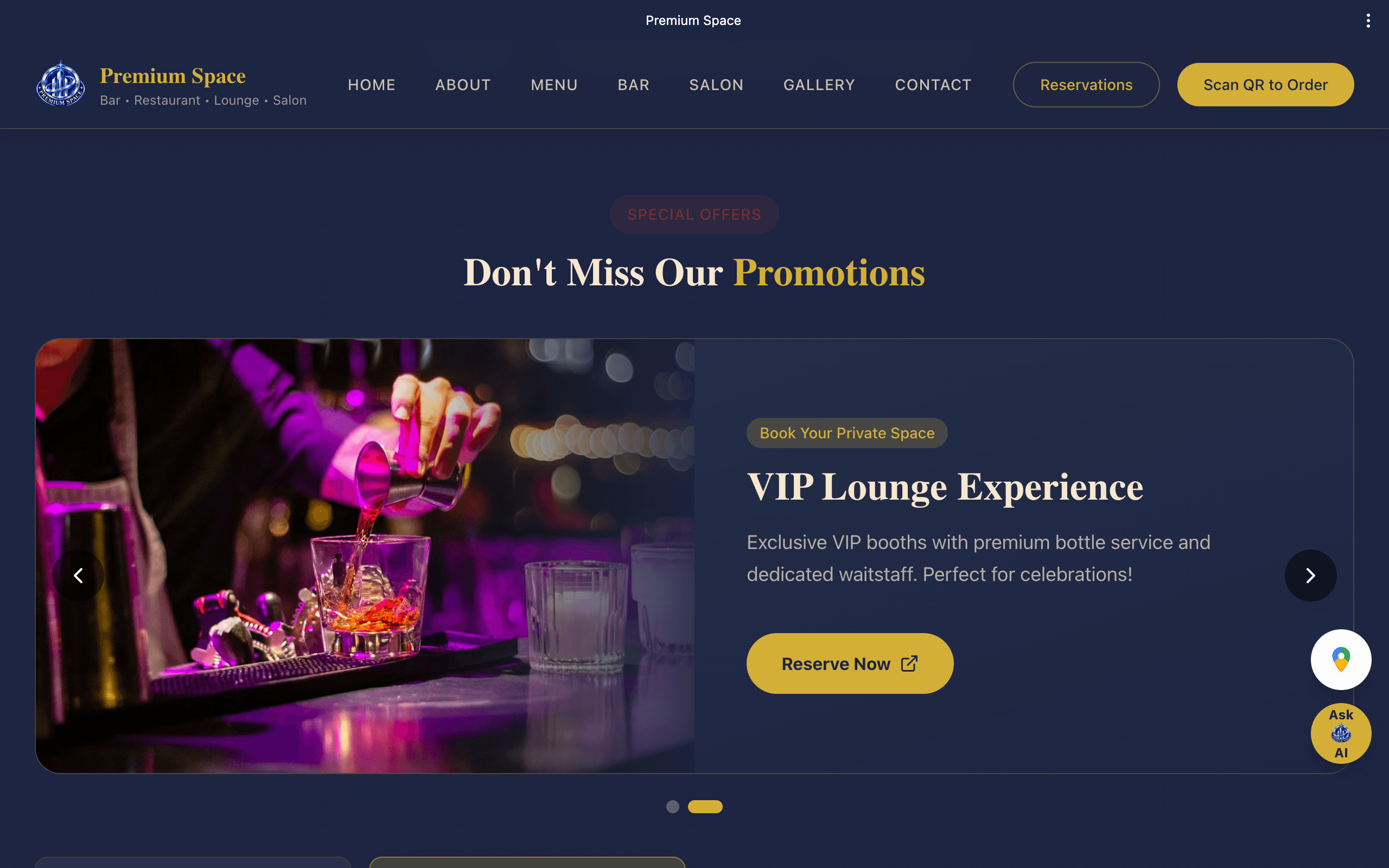
Screenshot synced from this project record.
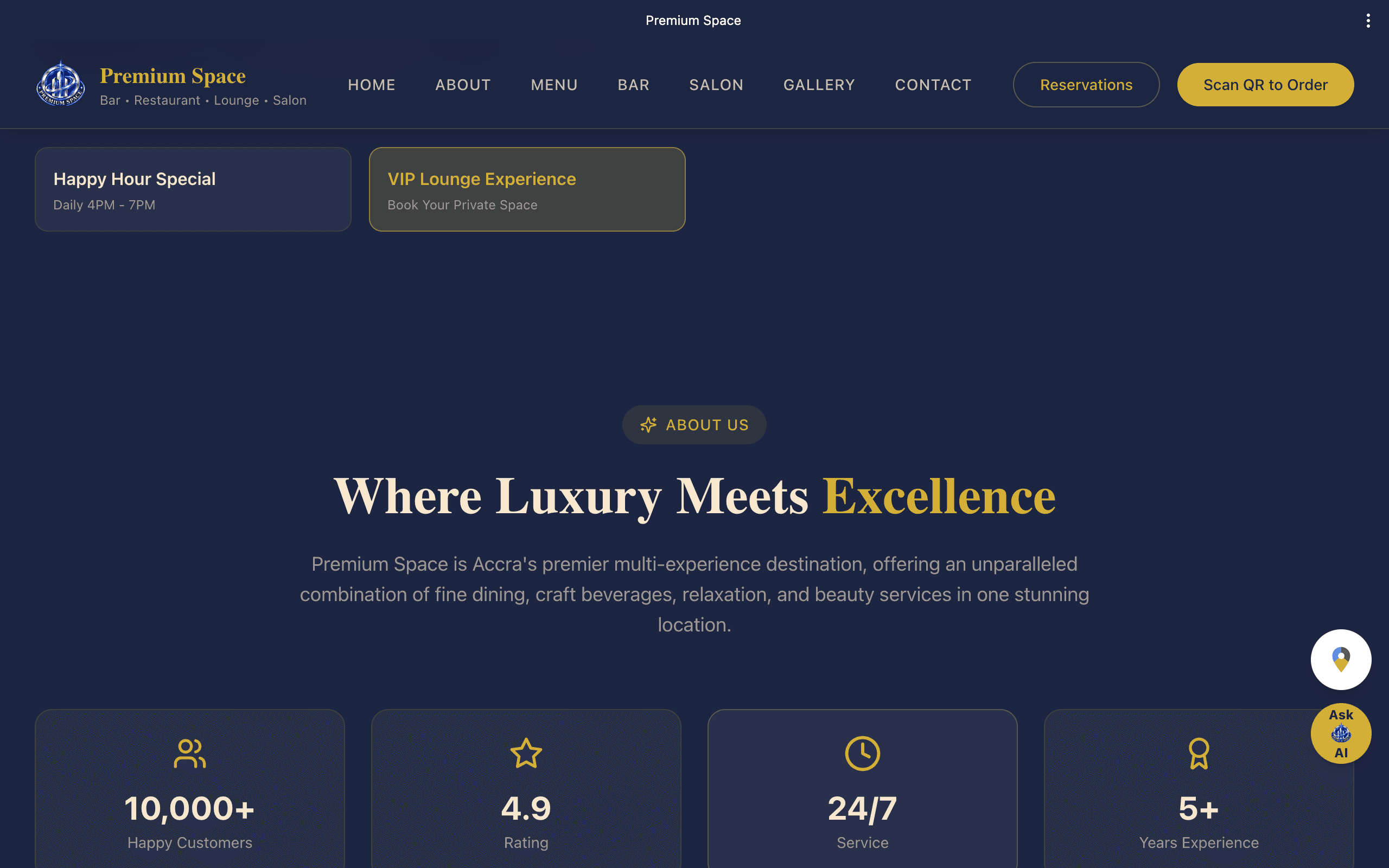
Screenshot synced from this project record.
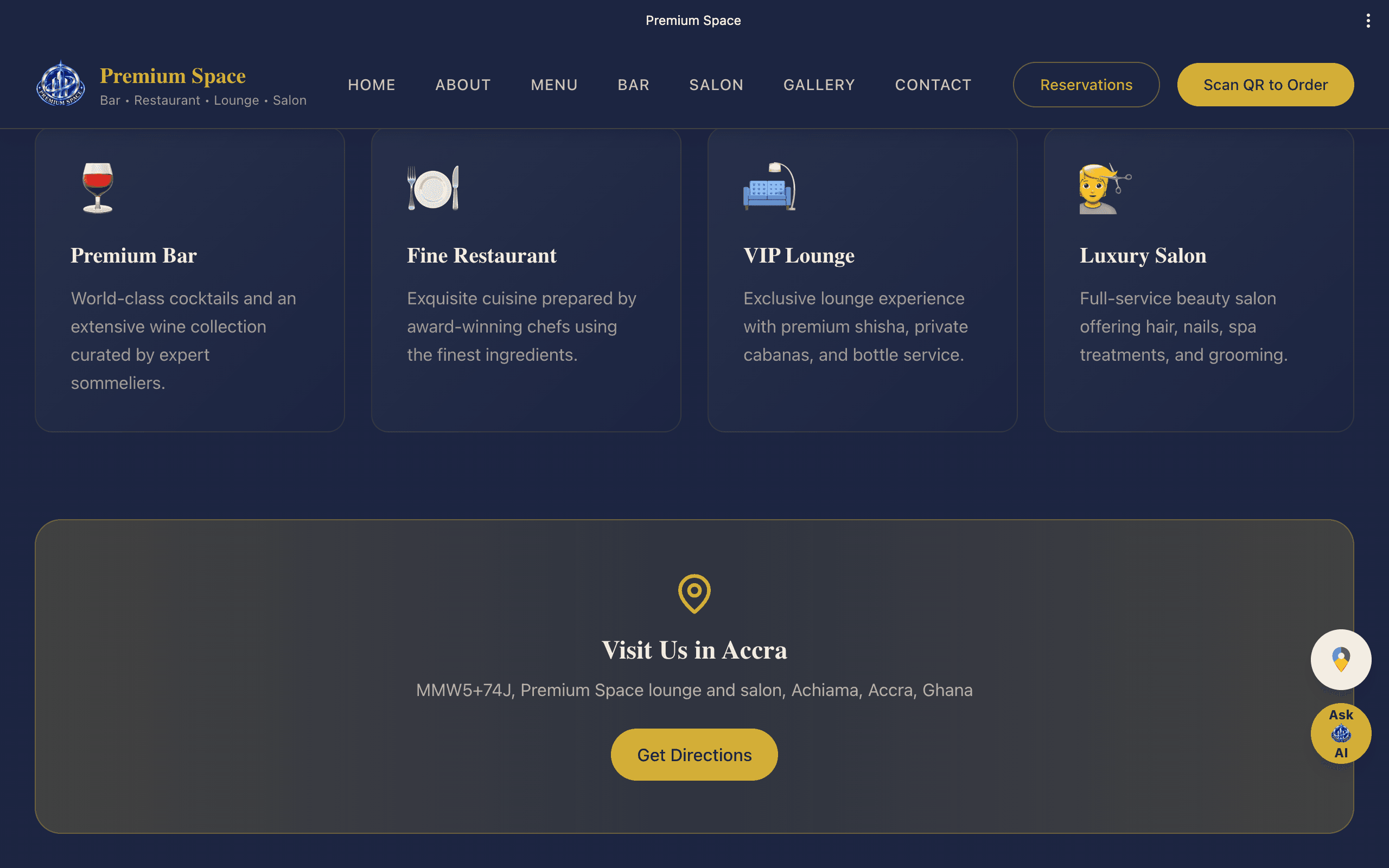
Screenshot synced from this project record.
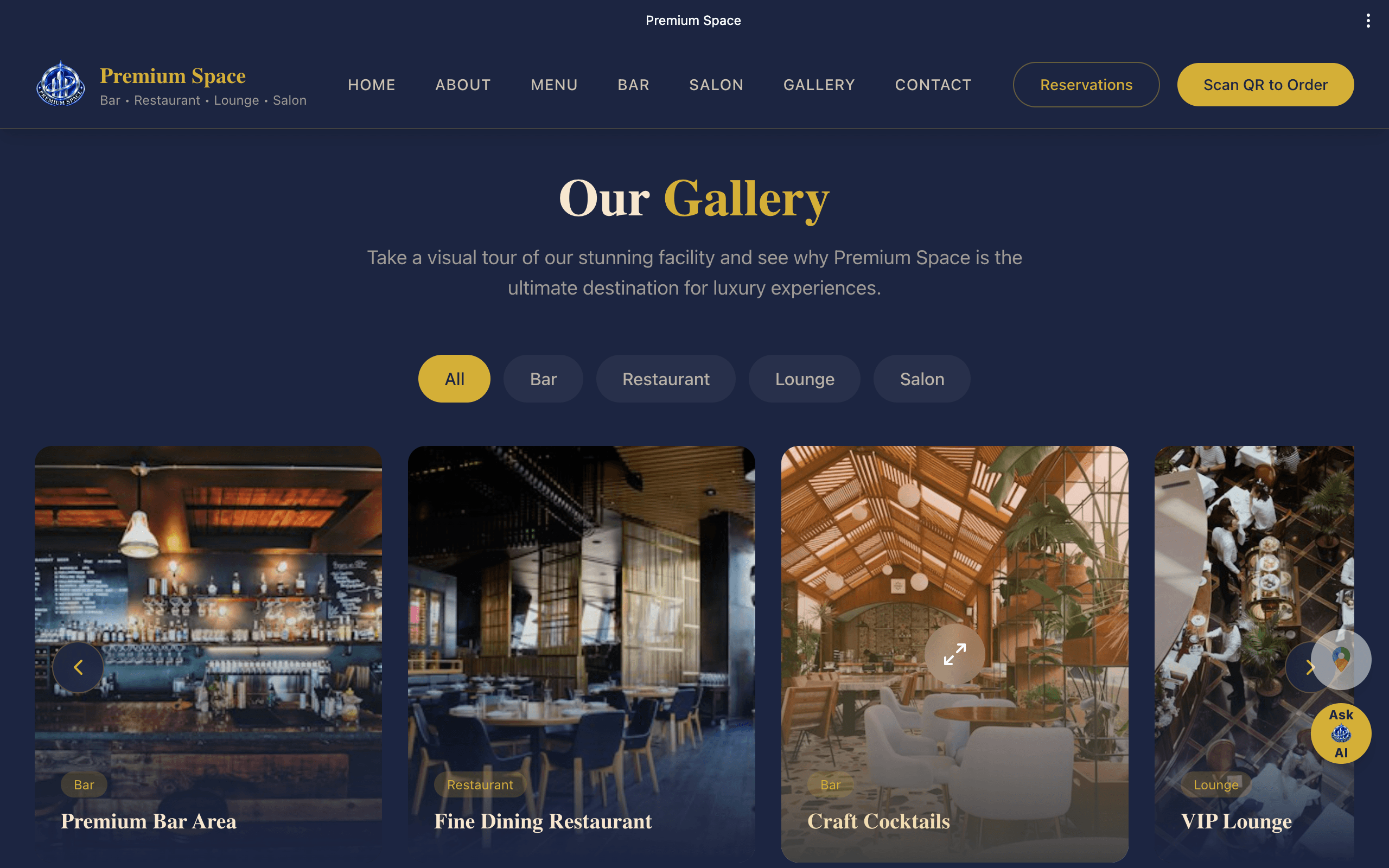
Screenshot synced from this project record.
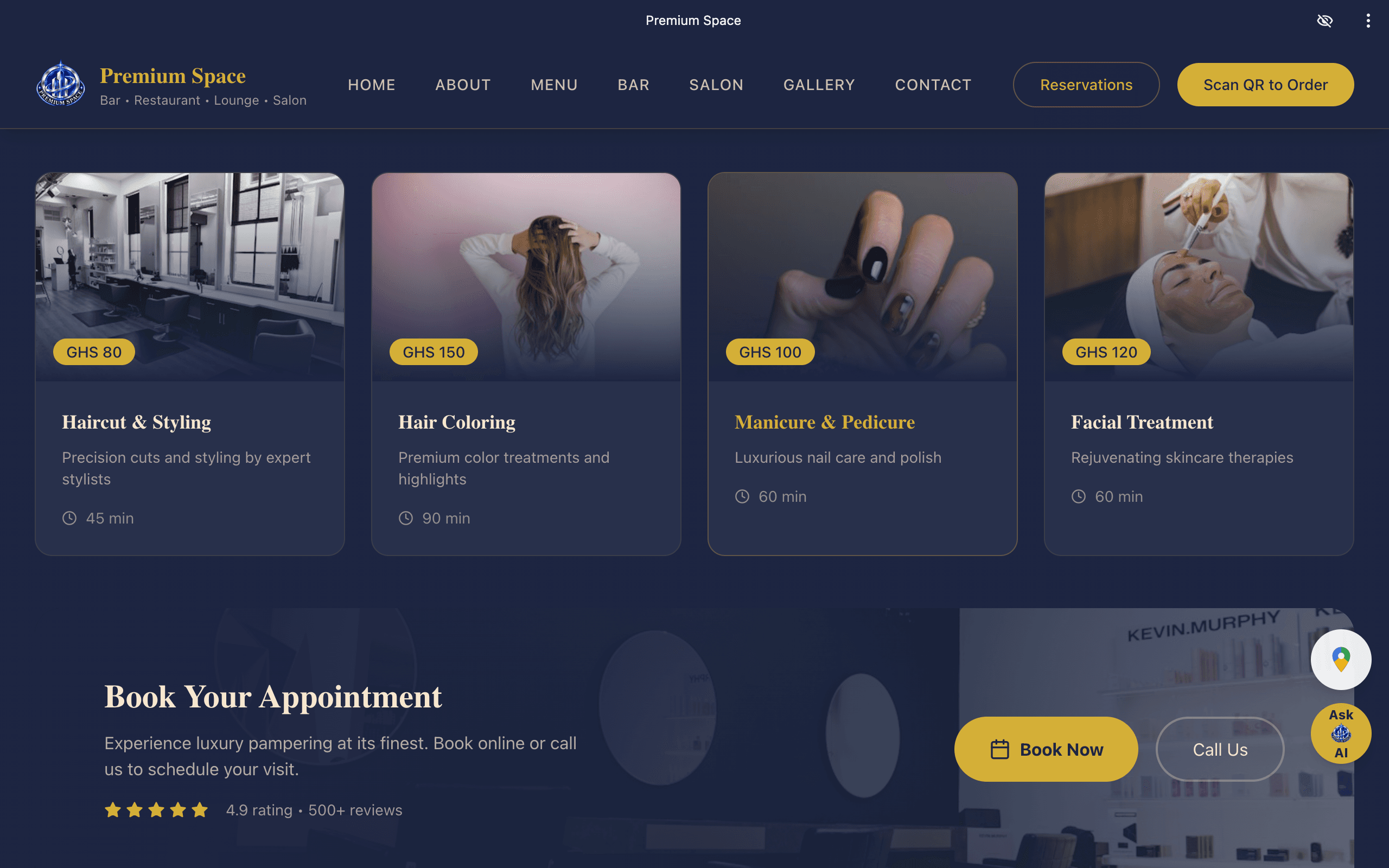
Screenshot synced from this project record.
Current status
Production
Engineering insights
Hospitality software benefits from modelling the physical operation explicitly. Tables, venue sections, waiter zones, preparation stations, inventory consumption and receipts are first-class domain objects rather than UI-only concepts, allowing the software to reflect how the venue actually works.
Request a similar build
Tell Frontier DevConsults about the outcomes and engineering requirements you need.
Request a Similar Build